Beijing, China, October 30, 2026 — Energy campaigners, communicators and strategists from Bangladesh, South Africa, Ghana, Pakistan, Indonesia, and the Philippines gathered at Tsinghua University from October 26 to 28 for the Energy Communications Master Class 2026, a three-day focused seminar to strengthening their knowledge on China's foreign policies and energy trends for enhanced South-South cooperation.
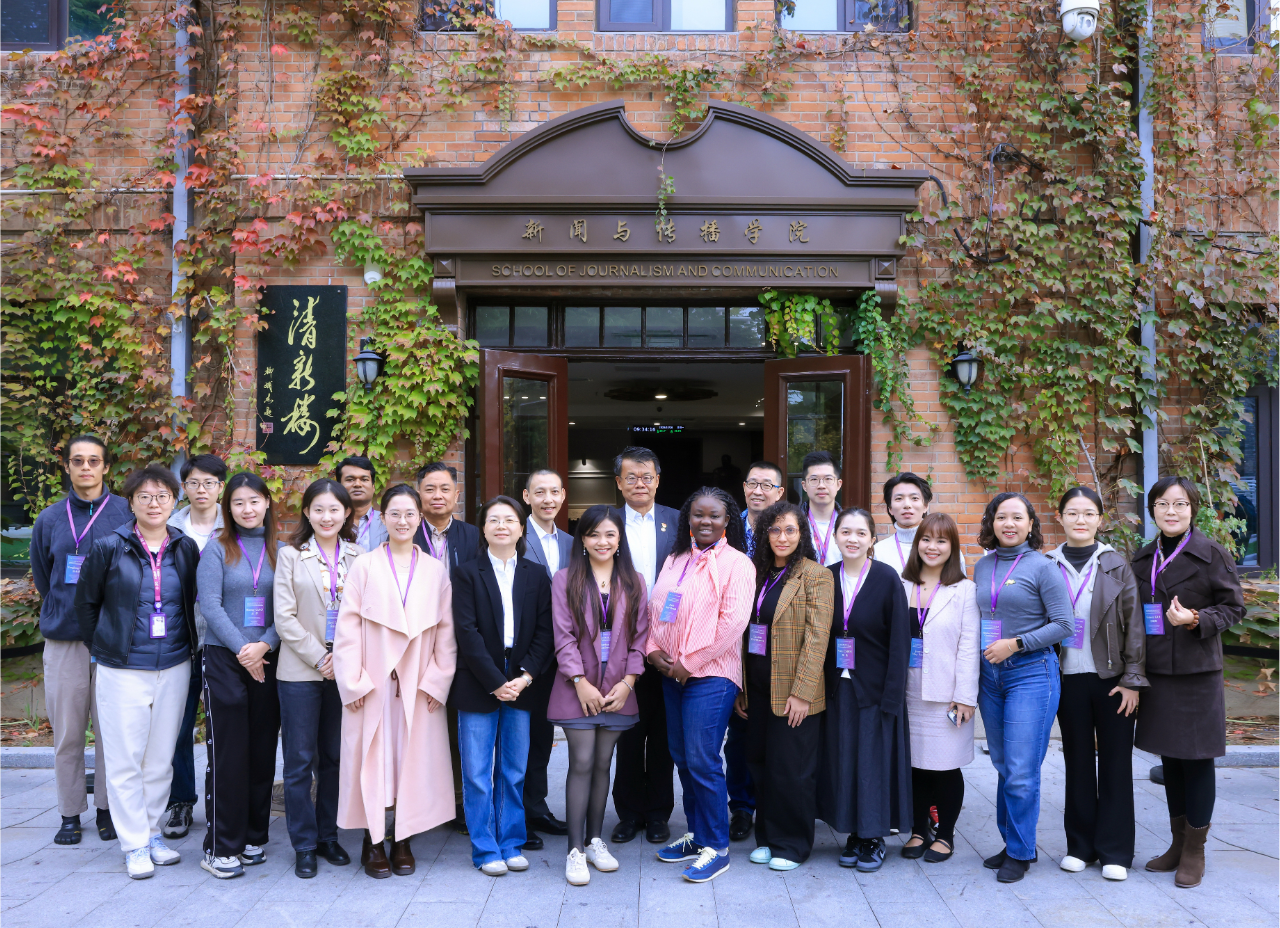
Energy campaigners, communicators, strategists, and non-government organization leaders from Bangladesh, Ghana, Indonesia, Pakistan, South Africa, and the Philippines, staff of People of Asia for Climate Solutions, and members of the Tsinghua University School of Journalism and Communication gathered for the 2026 Global South Energy Communication Co-Creation Initiative for Social Impact.
Hosted by Tsinghua University School of Journalism and Communication and convened by People of Asia for Climate Solutions (PACS), the seminar brought together professors, think tanks, journalists, non-government organization leaders, industry practitioners, financiers and insurers, such as from the National Center for Climate Change Strategy and International Cooperation (NCSC), Institute for Global Decarbonization Progress (iGDP), China Foundation on Rural Development, China Export & Credit Insurance Corporation (SINOSURE), and Yingli Group.
"As the world's largest developer, manufacturer, and investor of renewable energy, China has a critical role to expedite a fast and fair energy transition in the Global South. It is a timely practical need to strengthen our engagement with China. Knowledge and communications are the keys," said PACS Executive Director Xiaojun Wang.
The Master Class combined policy discussions, media exchanges, business dialogues, and collaborative workshops. Participants examined China’s green transition and explored ways to communicate energy and climate issues through credible, balanced, and locally relevant stories.
As countries across the Global South navigate rising energy demand, energy security concerns, and the transition to low-carbon energy systems, access to reliable information and meaningful cross-country exchange remains essential. China’s experience in renewable energy, green industrial development, green finance, and international energy cooperation offers opportunities for learning, while overseas projects also raise important questions about local benefits, implementation challenges, technology transfer, talent gaps, and environmental and social responsibilities.
The Master Class addressed these issues by examining China’s domestic energy transition priorities, its approach to global governance and South–South cooperation, and the practical considerations surrounding overseas green investments. Discussions encouraged participants to consider both the opportunities and limitations of energy cooperation, grounded in the development priorities and experiences of their own countries.
Participants also exchanged experiences with media professionals to better understand how energy and climate issues are reported and communicated to international audiences. A visit to Bloomberg’s Beijing office and a roundtable discussion with Chinese journalists provided opportunities to explore journalistic practices, fact-checking, the use of data, and approaches to reporting on complex energy developments.

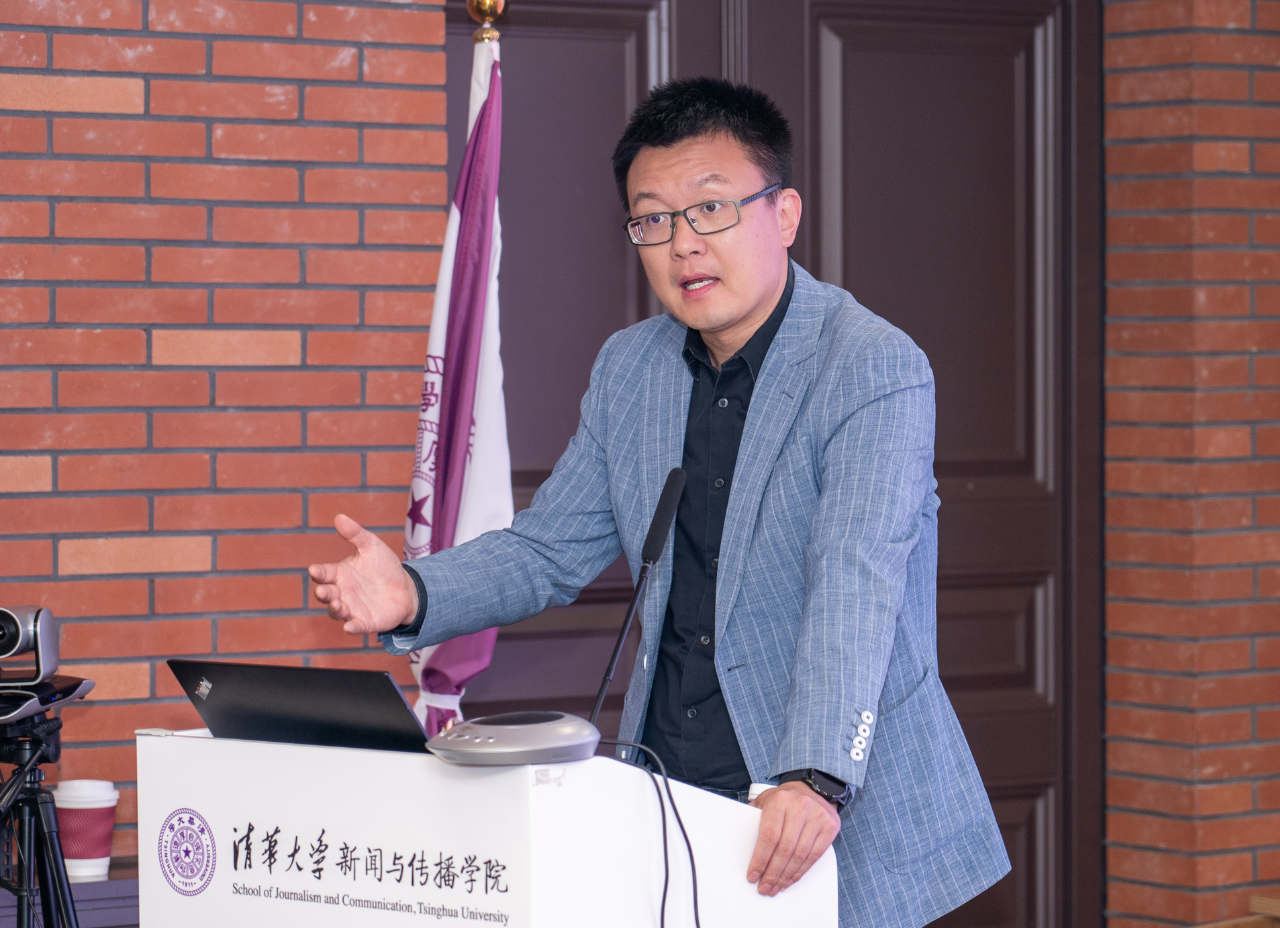
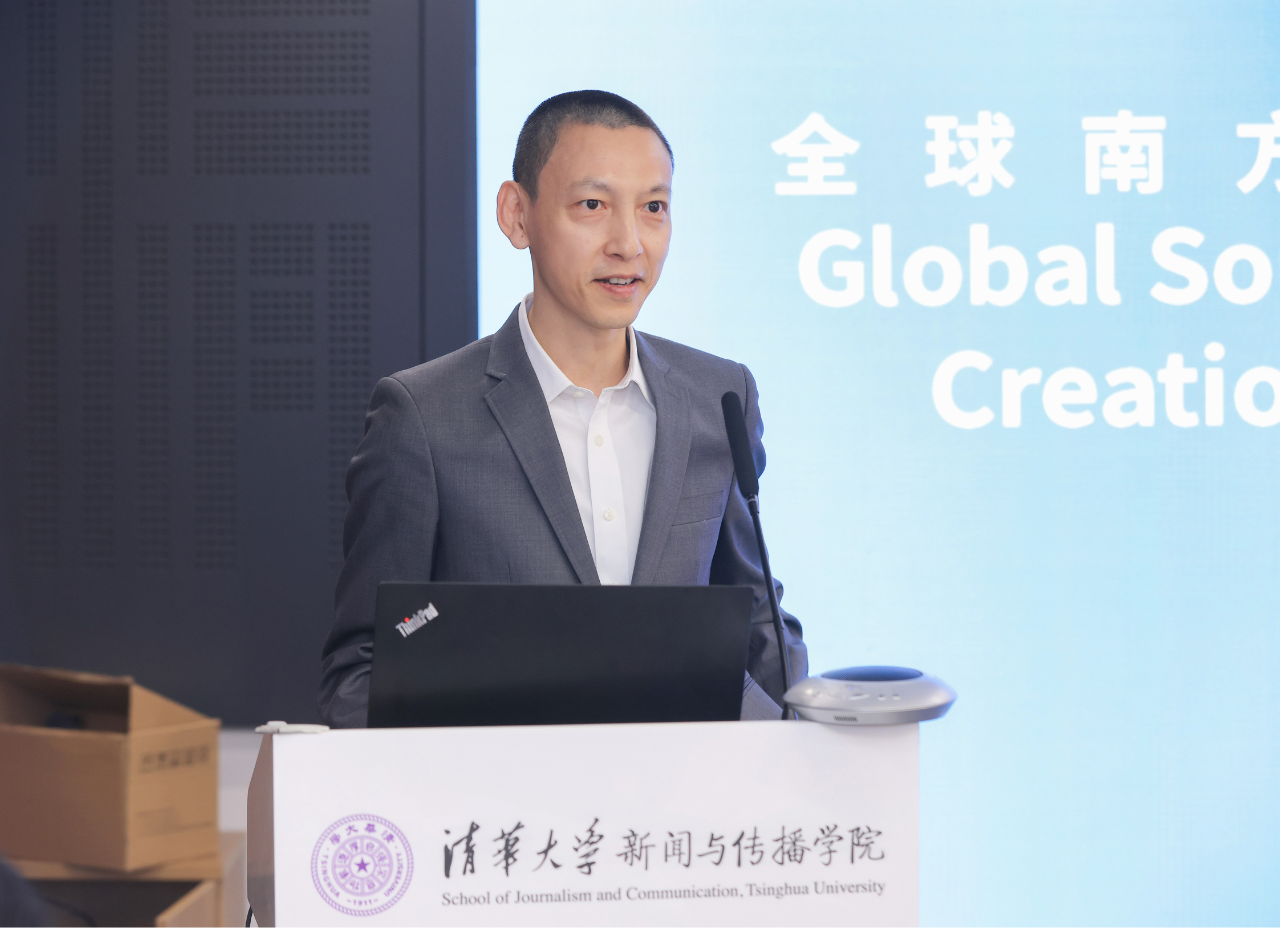
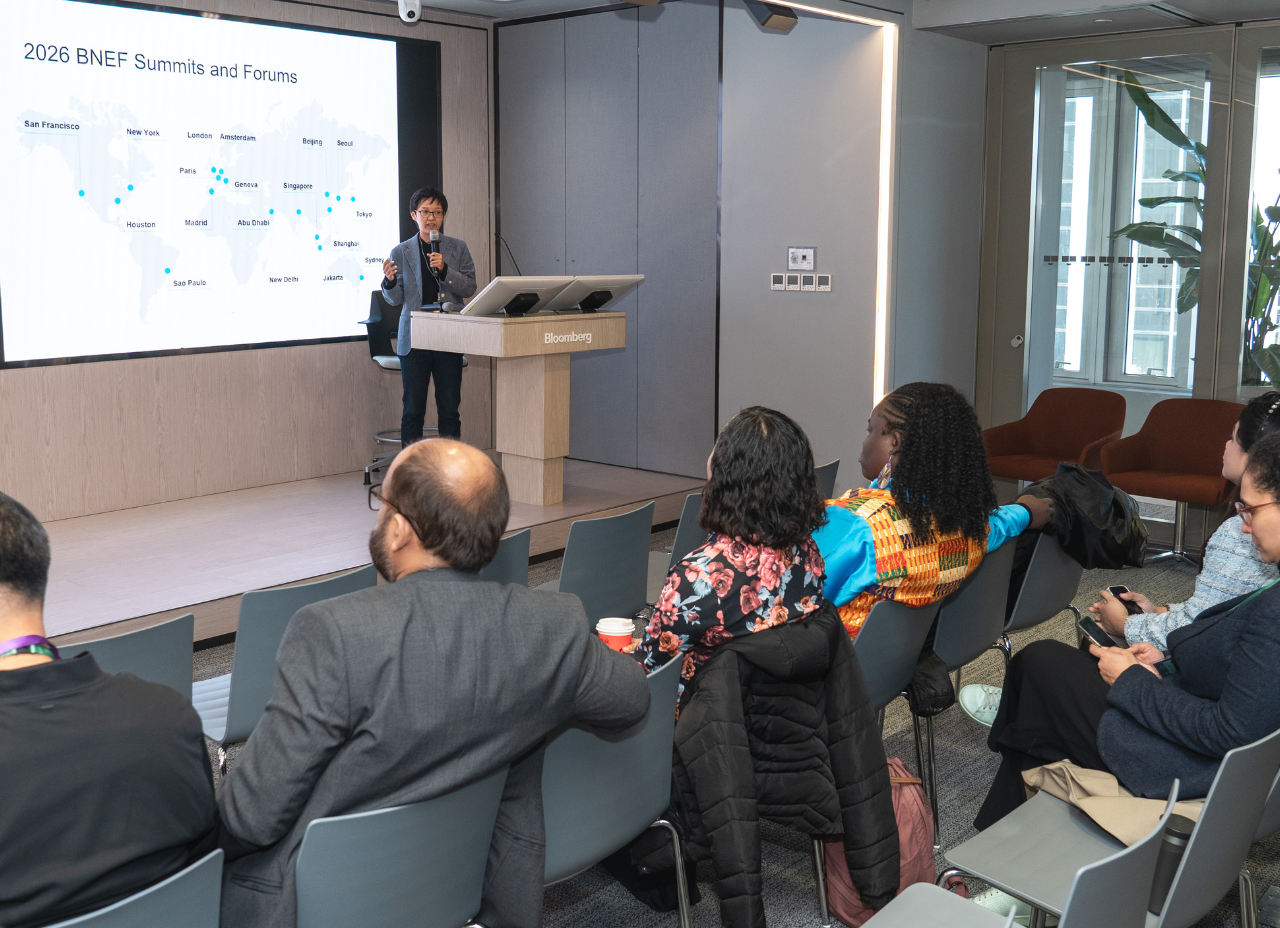
Professors, journalists, and experts in climate, energy, and industry shared insights on China’s experience in renewable energy, green industrial development, green finance, and international energy cooperation, exploring opportunities to strengthen South-South cooperation.
A narrative reframing and story design workshop formed another key component of the program. Participants worked on turning broad policy developments into specific, evidence-based stories that connect energy transition goals with local communities, individual experiences, and real-world implementation challenges. The sessions emphasized the importance of reliable sources, diverse perspectives, and clear explanations of issues that matter to audiences in their home countries.
On the final day, participants presented communication action proposals linked to international milestones such as the 31st Meeting of the Conference of the Parties (COP31) to the United Nations Framework Convention on Climate Change, the Forum on China-Africa Cooperation (FOCAC), or to energy and climate communication priorities in their respective countries. The proposals outlined intended audiences, central questions, potential sources, communication formats, and implementation plans, with feedback from peers and mentors helping participants identify areas for further development.
"Global South countries are facing both crises and opportunities amidst uncertain and volatile geopolitical contexts. It is necessary for NGOs in the Global South to collaborate to address the current challenges. From the Master Class, I did not only learn from fellows from China and other countries, but I was also able to identify potential collaboration through the Global South network. I believe it will enable my organization back home to contribute better to Indonesia’s energy transition and welfare advancement," said Tata Mustasya, one of the participants and the Executive Director of SUSTAIN or Yayasan Kasejahteraan Berkelanjutan Indonesia.
The Master Class concluded with a field trip to Yingli Group (YC Solar) to experience China’s renewable energy deployment firsthand. Participants visited the 10 MWp Fuping Solar PV Station, an early model pairing mountain solar development with rural poverty alleviation by converting barren hillside land into clean energy assets, before touring Yingli’s headquarters to explore distributed solar applications, Building-Integrated Photovoltaics (BIPV), and integrated energy solutions with the company’s technical teams.

"We hope to bring these green transition technologies back to our own countries," said Portia Adu-Mensah from the Africa Just Transition Network Ghana during the exchange. "NGOs need to understand business thinking to deliver practical solutions for communities, while companies should also prioritize corporate social responsibility. Looking ahead, we hope to see pilot projects that directly serve local communities and schools."
By bringing together perspectives from research, media, civil society, and business, the Master Class reinforced the importance of communication that is evidence-based, context-sensitive, and responsive to the needs of communities navigating the global energy transition.
Media Contact:
Leovy Ramirez (she/her)
Communications Officer
+63 915 6618382