Beyond What We See in Shenzhen
My first visit to China in 2022 left me curious about the country's remarkable transformation. Since then, I have returned several times, and each visit has deepened my appreciation of what long-term vision, innovation, and sustained investment can accomplish.
Now in November 2026, I am back in China visiting three Filipino students my organization has sponsored to study in Shenzhen—a city that has evolved from a relatively small fishing settlement into a global center of technology, industry, and innovation. What impresses me is not simply its modern skyline or technological achievements, but the determination and planning behind its transformation.
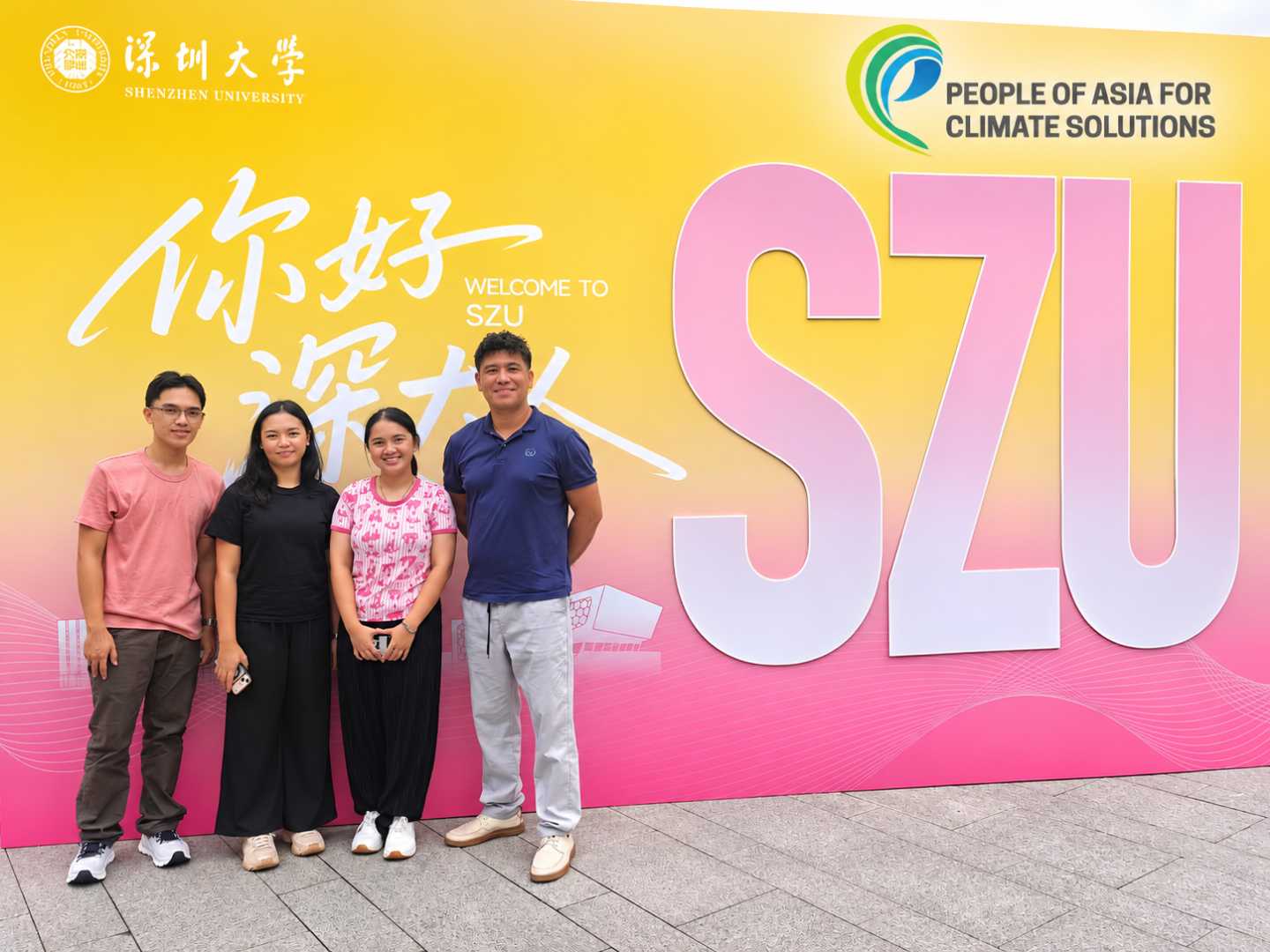
The picture shows Oscar and Filipino students who came to China to study new energy. From right to left: Oscar, Angelic, Sophia, and Emmanuel.
As I landed, Shenzhen was playing hots to the Asia Pacific Economic Cooperation Summit 2026 on Nov 18 and 19, and heads of states from the USA, Canada, Mexico, Australia, Japan, Indonesia, and the Philippines, etc. brought plane loads of their own richest business people looking for new collaboration opportunities.
The theme of the 33rd APEC Summit was, “Building an Asia-Pacific Community to Prosper Together” with three priority areas: openness, innovation and cooperation.
As an educator and development practitioner, I cannot help but observe and listen to what our three Filipino students thought about the city, the summit, and the world leaders’ discussion about their future.
Emmanuel Salcedo: Progress Must Reach Everyone
For Emmanuel, studying in Shenzhen has shown how investment in renewable energy, infrastructure, and technology can improve people's quality of life.
He shared:
“As a Filipino international student living in Shenzhen, China, I have witnessed firsthand how investments in renewable energy, modern infrastructure, and technological innovation can transform cities and improve people's quality of life.”
He believes the Philippines should take regional energy cooperation seriously, particularly as many communities continue to experience high electricity costs and unreliable power supply.
But for Emmanuel, the real measure of progress is whether ordinary people benefit:
“For me, genuine progress is not simply measured by how advanced a city becomes or how much technology it develops. It is measured by how effectively these advancements reach ordinary people, create opportunities, reduce economic burdens, and ensure that no community is left behind.”
His message is clear: technological advancement must improve everyday life, especially for households, schools, businesses, and under-served communities.
Angelic May Sansano: A Country Worth Believing In
Angelic's experience in Shenzhen has given her a new perspective on the Philippines' development challenges. Her reflections are particularly relevant to the November APEC Summit and the opportunity for Philippine leaders to learn from other economies.
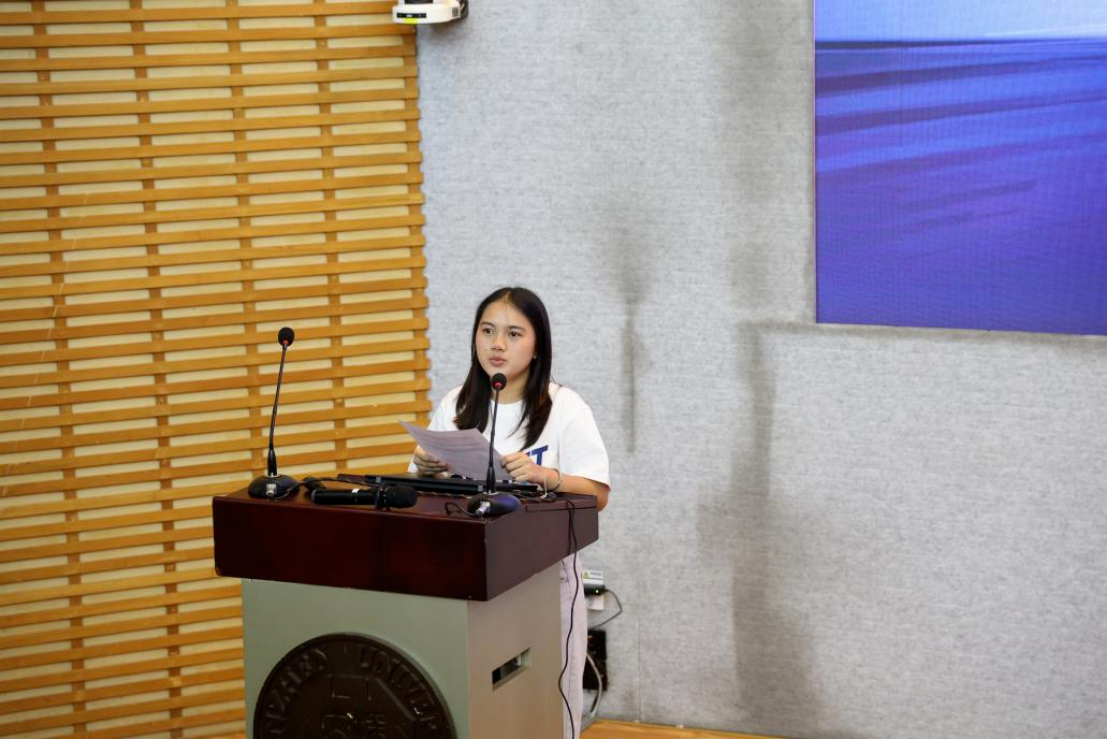
She candidly expressed:
“As someone currently studying in Shenzhen, I cannot help but feel a sense of sadness whenever I witness the level of development here and compare it with what we have back home.”
Yet her disappointment has not diminished her hope for the Philippines. Instead, it has strengthened her desire to see her country achieve meaningful progress.
She stressed:
“The Philippines does not need to become another China or another Shenzhen. We need to become the best version of ourselves—a country that maximizes its natural resources, invests in its people, strengthens its institutions, embraces innovation, and ensures that economic progress reaches even the most underserved communities.”
Angelic's closing reflection is a powerful reminder that Filipinos deserve more than promises. They deserve a country where people can live with dignity, believe in the future, and take pride in what their nation can accomplish.
Sophia Dorothy Dacanay: Energy Is the Foundation of Opportunity
Sophia's reflection focuses on the September 10–11 APEC Energy Ministerial Meeting in Beijing, as part of the APEC 2026 agenda, particularly its discussions on energy security, affordability, reliability, and access.
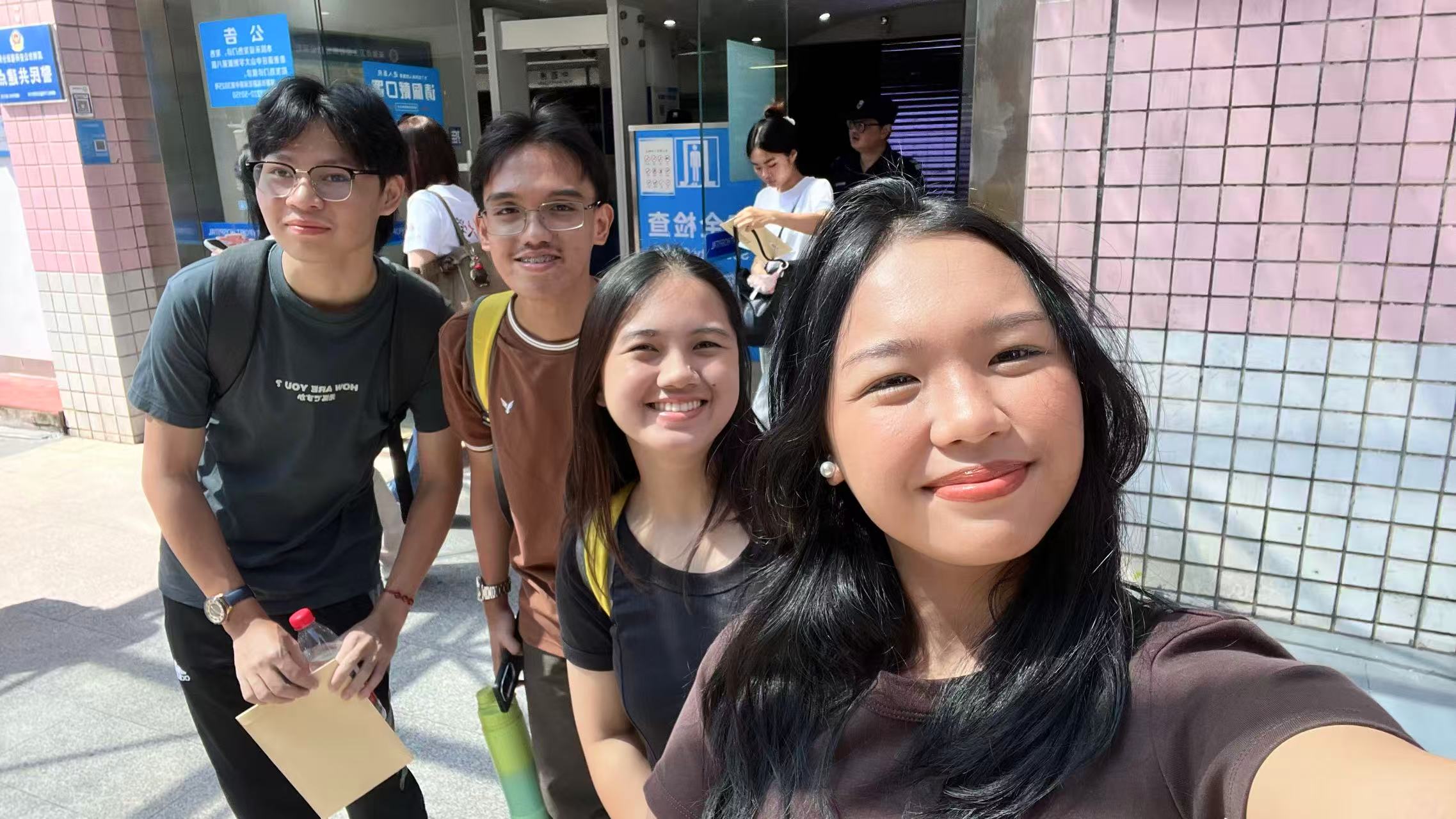
She believes the Philippines must make better use of its renewable energy resources and reduce its dependence on imported energy.
As she explained:
“We still have many opportunities to improve our energy system, especially by developing renewable energy, using our natural resources, and reducing our dependence on imported energy. This could help lower the burden of electricity costs on Filipino families, support local businesses, and create more job opportunities.”
She also sees reliable energy as essential to the growth of agriculture, tourism, healthcare, and other industries.
But her most heartfelt aspiration concerns Filipino families who leave home in search of a better life:
“Most importantly, I want to see a Philippines where people no longer feel that leaving their families and working abroad is their only way to have a better life. If we can provide better opportunities, stable jobs, affordable electricity, and a more comfortable way of living here, Filipinos would have more reasons to stay and build their future in their own country.”
Her words remind us that national progress should give Filipinos the opportunity to build meaningful lives without having to leave their families behind.
Investing in People, Building the Future
Listening to Emmanuel, Angelic, and Sophia reinforces my belief that education is one of the most important investments we can make.
The Renewable Energy Engineering Scholarship (FREE) Program by my organization People of Asia for Climate Solutions (PACS) is more than an opportunity for Filipino students to earn university degrees in China. It is an investment in the people who can help shape the Philippines' energy transition.
Our country needs skilled engineers, researchers, and professionals who can translate technical knowledge into practical solutions. Through their education and exposure to China's experience, our scholars are developing the competencies and perspectives that can contribute to this work.
We hope they will eventually apply what they have learned to clean energy development and sustainable community initiatives in the Philippines.
For PACS, success will not be measured by graduation alone. It will also be measured by how our students use their education and how they contribute to their communities.
“International education should not simply open doors abroad. It should equip young Filipinos to open doors for their own communities back home.”
My experiences in China, together with the reflections of our students, have reinforced one conviction: the Philippines can achieve far more, but progress requires action, not just promises.
We need responsible leadership, capable institutions, sustained investment, and a genuine commitment to serving the Filipino people.
As I look at Emmanuel, Angelic, and Sophia pursuing their education in Shenzhen, I see more than three young Filipinos earning degrees abroad. I see future professionals who can bring knowledge, skills, and fresh perspectives home—and help build a more sustainable future for our country.
For PACS, this is the deeper purpose of our scholarship initiative: not simply to send students overseas, but to prepare a generation capable of making a difference in the Philippines.
The true success of international education is not measured by how far our young people travel, but by what they bring home and what they do for their country.
May the lessons they gain beyond our borders help build a Philippines where opportunity is within reach, young people can pursue their ambitions at home, and every community has a chance to thrive. A country that turns its resources, talent, and aspirations into meaningful progress—a country worth believing in, worth building, and worth coming home to.