From October 3 to 11, People of Asia for Climate Solutions (PACS) participated in Bangkok Climate Action Week (BKKCAW) 2026 with a photo and video exhibition highlighting how communities, workers, and young people are experiencing and shaping the energy transition in Asia.

PACS installed a photo exhibit featuring stories from Bicos, Nueva Ecija in the Philippines, Shanxi Province in China, and the Future Renewable Energy Engineer (FREE) Program at the Bangkok Climate Action Week 2026 from October 3-11, 2026.
Bringing the Human Stories of Energy Transition to Bangkok
Under the theme “People-Powered Energy Transition: Community Initiatives in Asia’s New Climate Economy,” PACS’ exhibition at Lumphini Hall presented three stories from the Philippines and China: Barangay Bicos in Nueva Ecija, communities in Shanxi navigating change beyond coal, and Filipino students under the Future Renewable Energy Engineer (FREE) Program.
With stories of coal miners, barangay captains and next generation of renewable energy engineers, the exhibit invited visitors to explore the energy transition from the perspectives of the people experiencing it.
In Barangay Bicos, Nueva Ecija, the story followed local leadership and efforts to make rooftop solar a practical solution for the community. Led by Barangay Captain Victor Dela Cruz, the initiative illustrates how local governments can explore renewable energy to address electricity costs and identify solutions that may be replicated in other communities.
The second story from Shanxi, China explored the experiences of people navigating economic and livelihood changes as the region moves beyond its historical reliance on coal. Their experiences in the last few decades highlighted the importance of considering workers and communities as energy systems and local economies change.
The third story followed Filipino students in PACS’ FREE Program, who are studying renewable energy engineering in China. Their experiences showed how access to education, technical training, and new perspectives can help prepare young Filipinos to contribute to the country’s clean energy future.
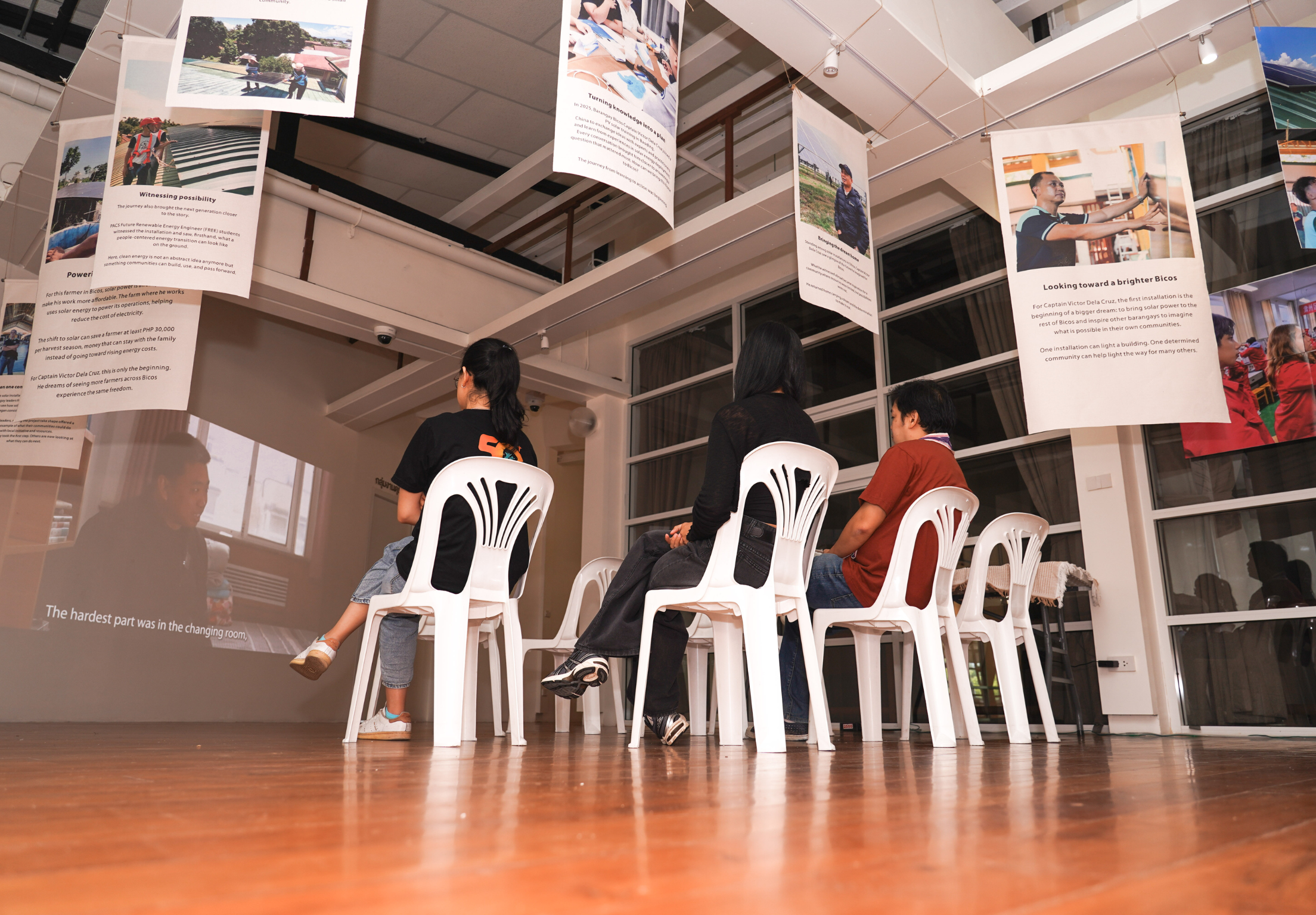
Videos about the stories of Bicos, Shanxi, and FREE were played during the Bangkok Climate Action Week 2026. Participants had the chance to ask questions and share their reflections after the video screenings.
These stories offered different perspectives on a shared challenge: how to make the energy transition work for people. By showcasing community-led initiatives, the exhibit underscored how homegrown, distributed renewable energy and locally-driven solutions can expand access to clean energy, empower communities, and ensure that the benefits of the energy transition reach the people who need them most.
The photographs, videos, and interactive activities, drew hundreds of international visitors in, intriguing them into demanding for faster and fairer energy transition with people at its core. An interactive message wall invited visitors to share their visions for the energy future, while a photo booth encouraged them to express support for climate action and renewable energy.
For Annawen, a student from France, the exhibit highlighted how young people can contribute to the energy transition by learning, sharing knowledge, and engaging their communities. “This reflects the importance of making climate action accessible and showing that the younger generation has a role in shaping a sustainable future,” she said.
Nichakul, a campaigner from another climate non-profit organization in Thailand, echoed the importance of placing people at the center of the transition. He said, ”Communities must have a voice in decisions that affect their livelihoods and energy access.”
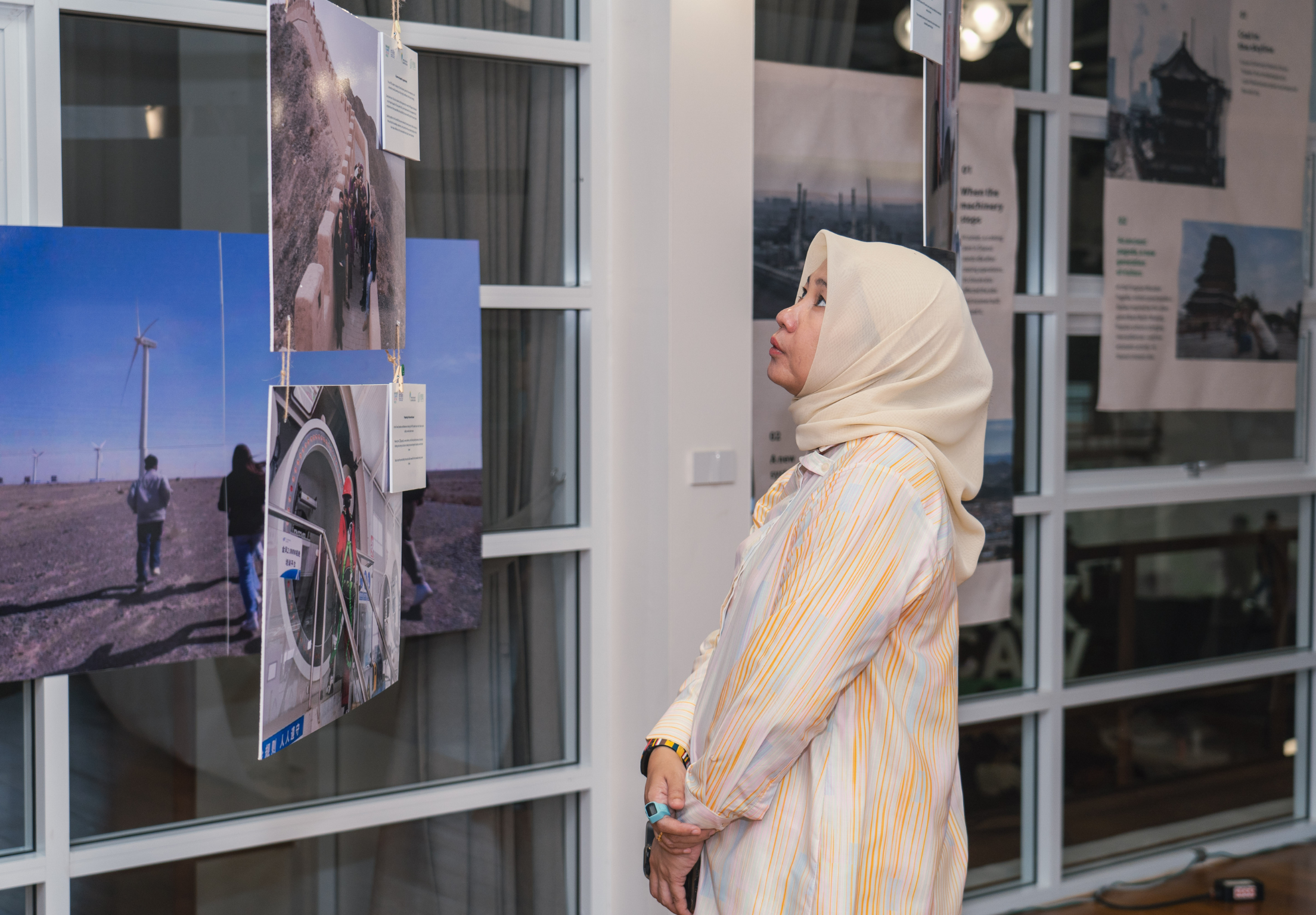
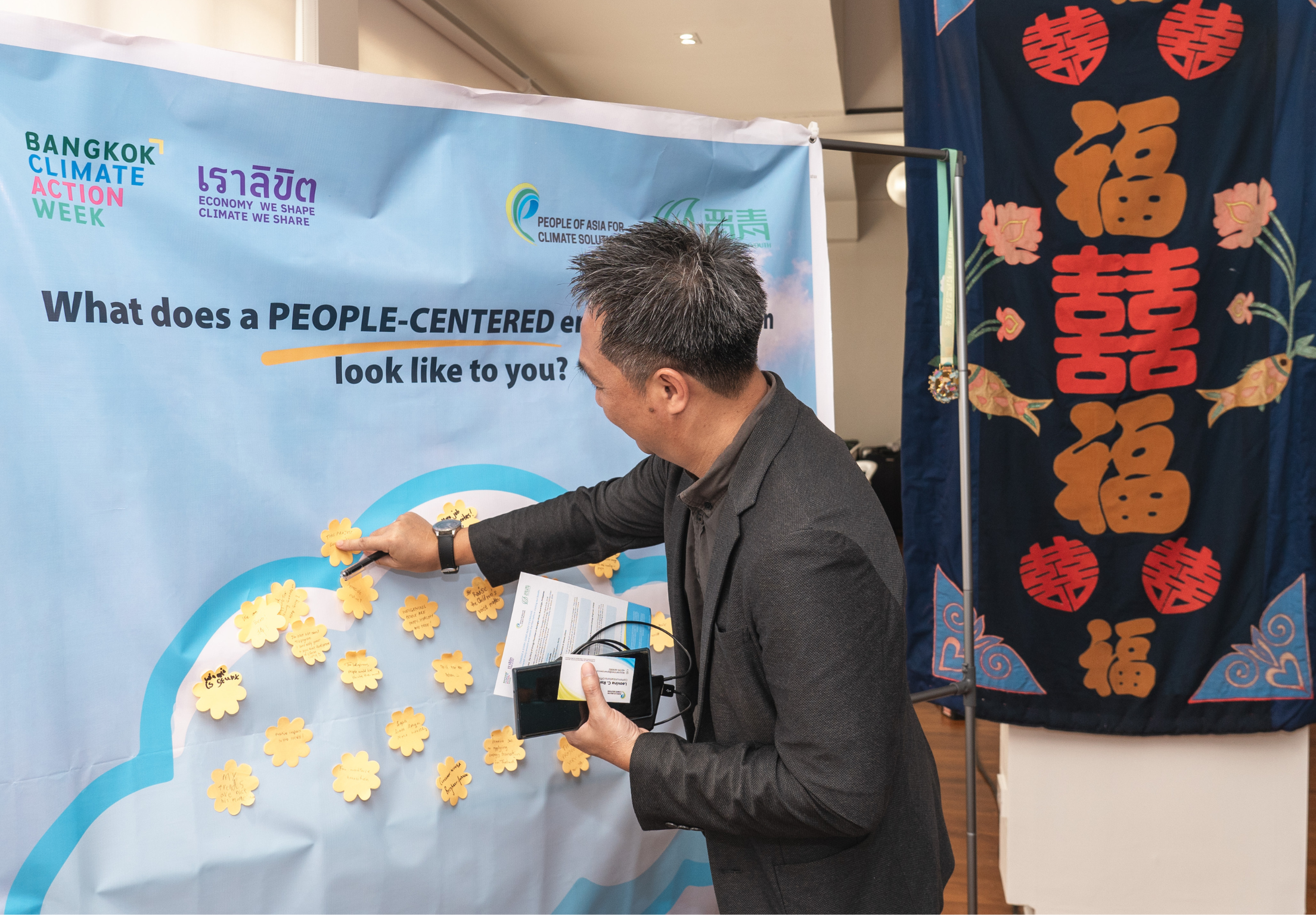
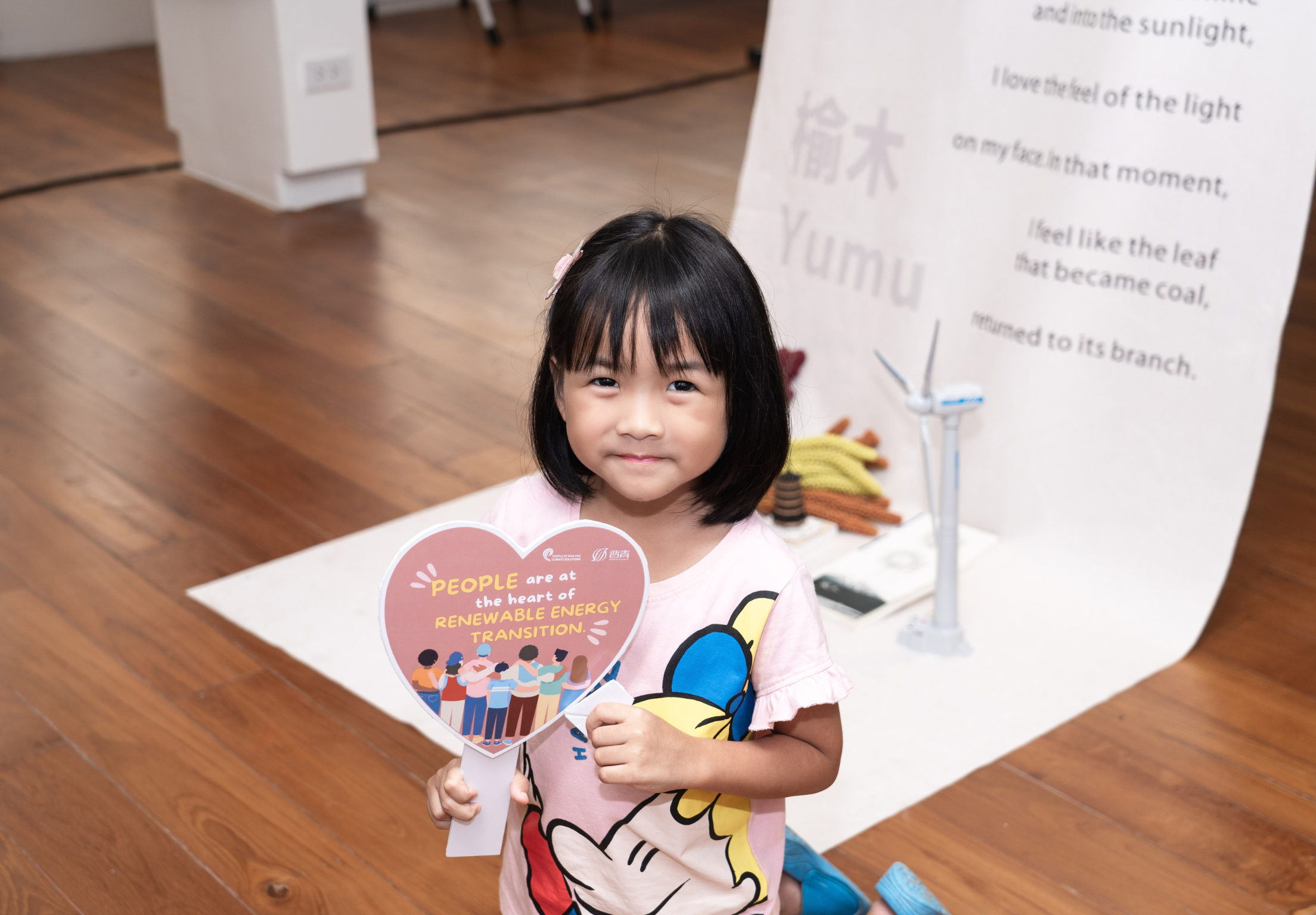
Participants from different countries engaged in the exhibit.
These activities were designed to make the exhibit accessible to a diverse audience, including people who may not work directly in the energy sector. They also provided opportunities for visitors to exchange perspectives, learn from experiences in the Philippines and China, and consider what a people-powered energy transition could look like in their own communities.
Through stories of communities, workers, and young people, the exhibit highlighted the importance of ensuring that people have a meaningful role in shaping energy solutions that respond to their needs, protect their livelihoods, and create opportunities for a sustainable future.
Media Contact:
Leovy C. Ramirez (she/her)
Communications Officer
+639156618382